

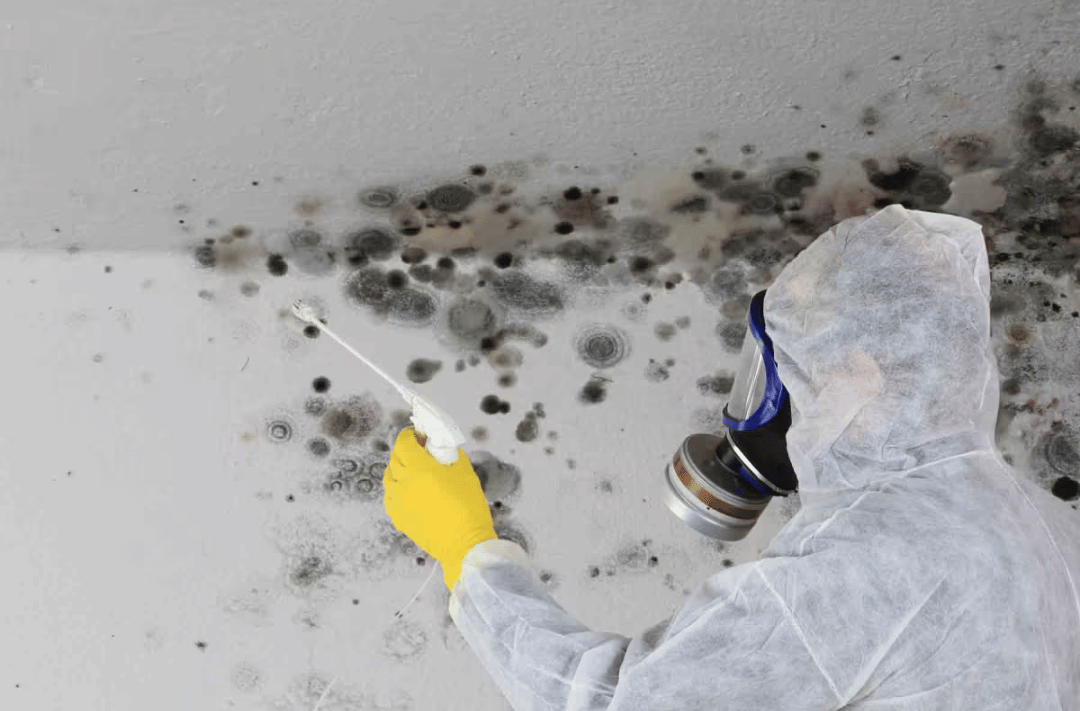
Can Mold and Rot Lead to Structural Problems in a Home?
Mold and wood rot are both associated with moisture, but they do not affect a home in exactly the same way.
Mold can grow on many damp surfaces without significantly reducing their structural strength. Wood rot, however, is a form of fungal decay that breaks down the fibres within wood. When rot affects floor joists, beams, wall studs, roof framing, support posts, or structural sheathing, it can reduce the material’s ability to carry loads.
Not every patch of mold indicates a structural problem. Structural concern increases when prolonged moisture has caused wood to become soft, cracked, crumbling, deformed, or unable to support fasteners.
The seriousness of the damage depends on where it is located, how long the area remained wet, how much material has deteriorated, and whether the affected component supports the building.
What Is the Difference Between Mold and Wood Rot?
Mold and wood rot are both caused by fungi, but they behave differently.
Mold
Mold generally grows on the surface of damp materials.
It may appear on:
- Drywall
- Wood
- Insulation
- Flooring
- Ceiling tiles
- Fabrics
- Concrete
- Masonry
- Paint
- Stored belongings
Mold can indicate that a moisture problem is present, but surface mold does not automatically mean that the underlying material has lost structural strength.
Wood Rot
Wood rot occurs when decay fungi break down the internal structure of wood.
Rot can reduce:
- Strength
- Stiffness
- Fastener capacity
- Bearing capacity
- Connection reliability
- Resistance to bending
- Resistance to compression
As decay progresses, wood may become soft, brittle, stringy, cracked, or crumbly.
Wood rot affecting a decorative trim board is mainly a maintenance concern. Rot affecting a beam, joist, column, or load-bearing wall can become a structural problem.
Does Mold Always Mean There Is Rot?
No. Mold and rot can occur together, but they are not the same condition.
Mold may grow on the surface of structurally sound wood when humidity is high or condensation is present. The wood may still retain most of its original capacity once the moisture source is corrected and the material is properly dried.
Rot is more likely when:
- Wood remains wet for an extended period
- Leaks occur repeatedly
- Moisture is trapped
- Ventilation is poor
- The affected area cannot dry
- The wood is in contact with wet soil or concrete
- Fungal decay has penetrated the material
The presence of mold should prompt an investigation into the moisture source. It should not be used by itself to determine whether a structural component needs replacement.
How Does Wood Rot Weaken a Structure?
Wood is strong because its fibres work together to resist bending, compression, tension, and shear.
Decay fungi gradually break down those fibres.
As the material deteriorates, it may no longer be able to safely resist the loads placed on it.
Possible effects include:
- Sagging floors
- Deflecting beams
- Weak roof framing
- Loose connections
- Reduced support below walls
- Cracked finishes
- Excessive floor vibration
- Settlement of posts
- Localized collapse
A small amount of surface deterioration may have little effect. Advanced decay at a critical support or connection can be much more serious.
Which Parts of a Home Can Be Structurally Affected?
Rot can affect almost any wood component exposed to repeated or prolonged moisture.
Commonly affected areas include:
- Floor joists
- Beams
- Support posts
- Wall studs
- Bottom wall plates
- Rim boards
- Roof rafters
- Roof trusses
- Roof sheathing
- Subflooring
- Headers
- Window and door framing
- Deck ledgers
- Porch framing
- Balcony framing
- Crawl-space supports
- Wood foundation components
- Structural connections
The location of the damage is often as important as its size.
Rot near the centre of a lightly loaded board may be less serious than rot at the end of a beam where it rests on a wall or column.
What Causes Mold and Structural Wood Rot?
Both mold and rot require moisture.
Common moisture sources include:
- Plumbing leaks
- Roof leaks
- Basement flooding
- Crawl-space moisture
- Poor grading
- Foundation seepage
- Window leaks
- Failed flashing
- Condensation
- High indoor humidity
- Appliance leaks
- Damaged gutters
- Short downspouts
- Poor attic ventilation
- Failed shower waterproofing
- Wet exterior cladding
- Leaking decks or balconies
Replacing damaged materials without correcting the source of the moisture may allow the problem to return.
How Long Does Wood Need to Stay Wet Before Rot Develops?
There is no single timeline that applies to every building.
The risk depends on:
- Moisture content
- Temperature
- Ventilation
- Wood species
- Type of wood product
- Frequency of wetting
- Whether the material can dry
- Existing deterioration
- Surface coatings
- Exposure to soil
- Location within the building
Brief wetting does not necessarily cause structural decay when the area is dried promptly.
Repeated wetting or moisture trapped inside walls, ceilings, crawl spaces, and floor assemblies creates a much greater risk.
Where Is Mold and Rot Commonly Found?
Some parts of a home are more vulnerable because they are frequently exposed to moisture or have limited ventilation.
Bathrooms
Bathrooms may develop hidden moisture damage around:
- Showers
- Bathtubs
- Toilets
- Plumbing penetrations
- Exhaust fans
- Exterior walls
- Tile assemblies
Failed shower membranes or toilet seals can allow water to reach the subfloor and floor joists.
Warning signs include:
- Soft flooring
- Loose tiles
- Staining below the bathroom
- Musty odours
- Swollen baseboards
- Sagging ceilings on the floor below
Kitchens
Kitchen leaks may occur around:
- Sinks
- Dishwashers
- Refrigerators
- Ice-maker lines
- Water filters
- Exterior walls
- Plumbing stacks
Water can become trapped beneath cabinets and flooring, allowing damage to continue unnoticed.
Basements
Basements may experience moisture from:
- Foundation seepage
- Plumbing leaks
- High humidity
- Flooding
- Condensation
- Sump-pump failures
- Poor exterior drainage
Potentially affected structural components include:
- Beams
- Support posts
- Floor joists
- Rim boards
- Wall plates
- Foundation connections
Crawl Spaces
Crawl spaces can be especially vulnerable because they are often dark, poorly ventilated, and difficult to inspect.
Common concerns include:
- High humidity
- Wet soil
- Plumbing leaks
- Missing vapour barriers
- Foundation seepage
- Condensation
- Inadequate drainage
Rot may affect joists, beams, posts, subflooring, and connections before signs become visible inside the home.
Attics
Attic mold and rot may result from:
- Roof leaks
- Condensation
- Poor ventilation
- Bathroom exhaust ducts venting into the attic
- Ice damming
- Missing insulation
- Air leakage from the home
Affected components may include:
- Roof sheathing
- Rafters
- Trusses
- Ceiling joists
- Structural connections
Surface mold on attic sheathing does not always mean the roof structure has lost strength. Soft, delaminated, sagging, or decayed materials require closer attention.
Exterior Walls
Moisture may enter through:
- Failed flashing
- Damaged siding
- Window openings
- Door openings
- Roof intersections
- Deck connections
- Improperly sealed penetrations
Hidden rot may affect studs, sheathing, headers, rim boards, and wall plates.
Decks, Porches, and Balconies
Exterior structures are frequently exposed to rain, snow, and changing temperatures.
Rot is common around:
- Deck ledgers
- Post bases
- Beam ends
- Stair connections
- Guard posts
- Joist hangers
- Flashing
- Areas where water collects
A deck may remain standing even when important connections have lost significant strength.
Window and Door Openings
Leaks around windows and doors can damage:
- Headers
- Studs
- Sills
- Sheathing
- Wall plates
- Fasteners
Visible staining may represent only a small portion of the concealed damage.
What Are the Warning Signs of Structural Wood Rot?
Structural decay is not always obvious. Several signs may indicate that moisture has affected load-bearing components.
Soft or Spongy Wood
Wood that feels soft, compresses easily, or can be penetrated with little resistance may have lost strength.
Particular attention should be paid to softness near:
- Beam ends
- Joist supports
- Column bases
- Wall plates
- Deck ledgers
- Connections
- Roof bearings
Testing should not involve damaging structural members without proper evaluation.
Crumbling or Flaking Wood
Advanced rot may cause wood to:
- Crumble
- Break into small pieces
- Become stringy
- Split into blocks
- Lose its original shape
- Separate in layers
This condition can indicate significant deterioration.
Sagging Floors
Rotten joists, beams, or posts may allow floors to deflect.
Signs include:
- A noticeable dip
- New slopes
- Excessive bounce
- Cracked tile
- Gaps below baseboards
- Furniture leaning
- Doors opening by themselves
- Movement near walls
A soft floor may be caused by subfloor damage, while a broad sag may involve deeper structural framing.
Bouncy or Flexible Floors
A floor may become more flexible when:
- Joists have lost material
- Beam support has weakened
- Connections have deteriorated
- Subflooring has delaminated
- A support post has moved
Changes in floor stiffness should be investigated, particularly when they occur near known moisture damage.
Sagging Roof Areas
Roof rot may cause:
- A dip in the roof
- Wavy sheathing
- Sagging between rafters
- Movement near the ridge
- Uneven roof planes
- Cracked interior ceilings
The problem may involve roof sheathing, rafters, trusses, or supporting walls.
Cracked or Split Framing
Decayed wood may crack or split under normal loads.
Common signs include:
- Cracks near supports
- Splits around fasteners
- Crushing at beam ends
- Broken joist flanges
- Separated built-up beams
- Failed roof members
The location and direction of the cracking help determine its significance.
Loose Structural Connections
Rot can reduce the ability of wood to hold nails, screws, bolts, and brackets.
Warning signs include:
- Loose joist hangers
- Pulling fasteners
- Separated brackets
- Movement at post bases
- Loose deck ledgers
- Detached railing posts
- Gaps at beam connections
A connector may remain intact while the wood around it deteriorates.
Sticking Doors and Windows
Door and window problems may occur when rotten framing allows floors, walls, or headers to move.
Possible signs include:
- Uneven gaps
- Doors rubbing
- Windows becoming difficult to open
- Frames moving out of square
- Cracks around openings
Humidity can also cause temporary swelling, so the surrounding conditions should be considered.
Cracks in Walls and Ceilings
Structural movement caused by deteriorated framing may create:
- Diagonal cracks above doors
- Cracks around windows
- Separation between walls and ceilings
- Gaps at trim
- Reopened drywall repairs
- Cracks across multiple rooms
Finish cracks do not prove that rot is present, but they may show that framing has shifted.
Musty Odours
A persistent musty smell may indicate concealed moisture, mold, or decay.
Common locations include:
- Crawl spaces
- Basements
- Bathrooms
- Wall cavities
- Attics
- Areas beneath flooring
An odour alone does not confirm structural damage, but it may justify further investigation.
Visible Fungal Growth
Fungal growth may appear as:
- White strands
- Dark staining
- Mushroom-like growth
- Surface patches
- Powdery material
The type of growth should not be identified based only on appearance.
The important questions are whether moisture remains present and whether the wood has deteriorated.
Peeling Paint or Bubbling Finishes
Moisture behind finishes may cause:
- Peeling paint
- Bubbling drywall
- Stained ceilings
- Swollen trim
- Loose wallpaper
- Cracked caulking
- Deteriorated plaster
These signs may help locate a leak, but the concealed framing may require exposure before its condition can be confirmed.
Warped or Buckled Flooring
Moisture can cause flooring and subflooring to swell.
Signs include:
- Raised boards
- Cupped hardwood
- Loose tiles
- Cracked grout
- Soft areas
- Separation at seams
- Uneven transitions
The floor finish may be damaged while the joists remain sound, or the damage may extend deeper into the structure.
Insect Activity
Wood damaged by moisture can also attract certain wood-destroying insects.
Signs may include:
- Small holes
- Sawdust-like material
- Damaged wood fibres
- Tunnels
- Insect activity near wet areas
An insect specialist may be needed in addition to structural and moisture-related assessment.
Can Mold Damage Structural Wood by Itself?
Surface mold generally does not break down wood in the same way as decay fungi.
However, mold indicates that the environmental conditions are damp enough to support fungal activity.
The concern is not only the visible mold. It is whether:
- Moisture remains trapped
- Rot has developed below the surface
- Structural wood has softened
- Connections have weakened
- Engineered products have swollen
- Repeated wetting has occurred
Mold should therefore be treated as a warning sign of a moisture problem rather than automatic proof of structural failure.
Can Rot Spread Through a Home?
Rot does not spread through dry, sound wood simply because nearby material is decayed.
It continues when the moisture conditions remain suitable.
Damage may appear to spread when:
- A leak reaches a larger area
- Moisture travels through connected materials
- Several components remain wet
- Condensation affects an entire cavity
- The original source is not repaired
Correcting moisture is essential to stopping further decay.
Can Structural Wood Dry Out and Remain in Place?
Yes, in some cases.
Wood may remain when:
- Moisture exposure was limited
- It dries promptly
- No decay is present
- The member remains straight
- Connections are secure
- Bearing areas are intact
- No significant material has been lost
- Contamination does not require removal
Drying does not restore wood that has already suffered advanced decay.
A rotten beam does not regain its original capacity simply because it is no longer wet.
Can Rotten Structural Wood Be Repaired?
Sometimes.
The repair method depends on:
- Location
- Extent of decay
- Type of member
- Loads carried
- Remaining sound material
- Access
- Connection condition
- Cause of moisture
- Permit requirements
Possible repair methods include:
- Sistering joists
- Reinforcing rafters
- Installing steel plates
- Adding new beams
- Replacing damaged sections
- Replacing complete members
- Adding new posts
- Repairing connections
- Installing new structural sheathing
- Rebuilding affected walls
Cosmetic patching or filling is not a substitute for structural repair when the material has lost capacity.
When Does a Rotten Member Need Replacement?
Replacement may be necessary when:
- Decay is extensive
- A bearing point is damaged
- The member has lost a significant portion of its cross-section
- Fasteners no longer hold
- The component is permanently deformed
- A connection cannot be restored
- The member is difficult to reinforce effectively
- Engineered wood has delaminated
- Contamination requires removal
- The remaining strength cannot be verified
Partial replacement may be possible when the damaged section can be removed and the load transferred safely into sound material.
Can Engineered Wood Develop Structural Damage?
Yes. Engineered wood products can be sensitive to prolonged moisture.
These may include:
- Wood I-joists
- Laminated veneer lumber
- Glued laminated beams
- Oriented strand board
- Plywood
- Laminated strand lumber
- Structural composite lumber
Possible damage includes:
- Swelling
- Edge deterioration
- Delamination
- Adhesive failure
- Web damage
- Cracked flanges
- Loss of bearing capacity
- Reduced fastener strength
- Permanent deformation
Repair decisions may need to consider manufacturer guidance and the specific product involved.
Can Mold and Rot Affect a Foundation?
Mold generally does not damage concrete foundations.
However, moisture conditions around foundations can affect:
- Wood sill plates
- Floor joists
- Rim boards
- Beam pockets
- Support posts
- Connections
- Wood foundations
- Masonry joints
Rot is especially concerning where wood structural components contact damp concrete, masonry, or soil.
Moisture may also contribute to unrelated foundation concerns such as:
- Cracking
- Soil settlement
- Wall movement
- Reinforcement corrosion
- Drainage failure
These conditions should be assessed separately from the mold itself.
Can Mold and Rot Affect a Deck?
Yes. Decks are especially vulnerable because they are exposed to outdoor moisture.
Structural decay commonly occurs at:
- Ledger boards
- Joist ends
- Beam tops
- Post bases
- Stair stringers
- Guard posts
- Fastener locations
- Areas under planters
- Poorly flashed connections
Warning signs include:
- Movement
- Soft boards
- Leaning posts
- Loose guards
- Sagging beams
- Pulling fasteners
- Gaps at the building
- Crumbling wood
A deteriorated deck connection can create a significant safety hazard.
Can Mold and Rot Affect Roof Framing?
Yes.
Roof leaks and attic condensation can affect:
- Rafters
- Trusses
- Sheathing
- Ridge beams
- Ceiling joists
- Wall plates
- Fasteners
- Truss connector plates
Warning signs include:
- Sagging sheathing
- Soft roof decking
- Cracked members
- Dark staining
- Delamination
- Failed connections
- A visible dip in the roof
- Ceiling movement below
Roof framing should not be repaired or altered without appropriate design when structural members are involved.
When Should a Structural Engineer Be Considered?
A structural assessment may be appropriate when:
- Rot affects a beam, joist, post, or load-bearing wall
- Floors are sagging or unusually flexible
- Roof framing has deteriorated
- A deck or balcony has moved
- Structural connections are loose
- Engineered wood has delaminated
- A support post is rotten at its base
- The remaining strength of a member is uncertain
- Temporary shoring may be needed
- Major framing replacement is proposed
- The building has visible movement
- The damage affects several structural components
- Permit drawings are required
The engineer evaluates whether the affected system can safely support its expected loads and how repairs should be completed.
What Happens During a Structural Assessment?
The engineer may begin by reviewing:
- The moisture source
- Duration of exposure
- Previous leaks
- Mold or environmental reports
- Restoration records
- Moisture readings
- Photographs
- Building plans
- Renovation history
- Areas already opened
The site assessment may include:
- Inspecting visible structural framing
- Reviewing floors for slope or deflection
- Examining beams and posts
- Checking roof framing
- Reviewing wall and ceiling cracks
- Examining structural connections
- Checking bearing points
- Reviewing engineered wood products
- Identifying areas requiring further exposure
- Recommending repair or replacement
The inspection is often visual. Additional openings or material testing may be recommended when the damage is concealed or difficult to evaluate.
Are Exploratory Openings Necessary?
Sometimes.
Rot may be hidden behind:
- Drywall
- Flooring
- Cabinets
- Insulation
- Roofing
- Siding
- Ceiling finishes
- Deck boards
- Vapour barriers
- Waterproofing membranes
Openings may be needed when:
- The moisture source was long-term
- Structural movement is visible
- Soft materials are found
- The full member cannot be inspected
- Repairs will require access
- Damage extends beyond the visible area
- Connection conditions are unknown
Affected components should not be concealed again until they are dry and any necessary repairs have been completed.
What Might Be Included in a Structural Report?
A report may include:
- Areas inspected
- Structural damage observed
- Probable causes
- Safety concerns
- Temporary support recommendations
- Components that may remain
- Components requiring reinforcement
- Components requiring replacement
- Recommended exploratory work
- Photographs
- Inspection limitations
- Follow-up requirements
Detailed repair drawings may be required for beams, joists, walls, roof framing, decks, or other structural systems.
Is Temporary Shoring Needed?
Temporary shoring may be required when a deteriorated component cannot safely carry its current load.
Shoring may be needed for:
- Rotten beams
- Damaged floor joists
- Failed support posts
- Deteriorated load-bearing walls
- Sagging roof framing
- Unsafe decks
- Structural repairs requiring member removal
Temporary supports must transfer loads into stable framing, footings, or foundations.
Placing an improvised post on a weak floor or thin slab may create another structural problem.
What Professionals May Be Needed?
Mold and rot problems often require more than one type of professional.
Restoration or Remediation Contractor
May handle:
- Containment
- Removal of contaminated materials
- Cleaning
- Drying
- Dehumidification
- Moisture monitoring
- Mold remediation
Plumber
May repair:
- Burst pipes
- Fixture leaks
- Drain leaks
- Water supply failures
- Plumbing penetrations
Roofer
May correct:
- Roof leaks
- Flashing failures
- Damaged shingles
- Roof penetrations
- Drainage problems
Building-Envelope Specialist
May investigate:
- Window leaks
- Wall leaks
- Cladding failures
- Condensation
- Air leakage
- Waterproofing
Structural Engineer
May assess:
- Beams
- Joists
- Posts
- Load-bearing walls
- Roof framing
- Structural connections
- Temporary shoring
- Repair design
Pest-Control Specialist
May evaluate insect activity associated with damp or deteriorated wood.
The professionals involved depend on the cause and location of the damage.
Can a Mold Remediation Company Determine Whether Framing Is Structurally Safe?
A remediation company may identify visible deterioration and recommend additional review.
However, structural evaluation becomes more appropriate when decisions involve:
- Remaining load capacity
- Beam or joist repairs
- Support-post replacement
- Roof framing
- Temporary shoring
- Structural connections
- Building stability
- Engineered drawings
Mold removal and structural repair are related but separate parts of the project.
Should Mold Be Removed Before a Structural Inspection?
Not always.
The safest and most useful sequence depends on the condition of the building.
In some cases, limited removal is needed to expose the framing. In others, the structural condition should be assessed before workers enter or remove load-bearing materials.
Photographs should be taken before damaged components are removed.
Structural members should not be cut out without confirming whether temporary support or repair planning is required.
Can the Home Remain Occupied?
Occupancy depends on:
- Structural stability
- Extent of contamination
- Location of the damage
- Indoor air concerns
- Electrical safety
- Access to exits
- Falling-material hazards
- Scope of demolition
- Whether the affected area can be isolated
Temporary relocation may be necessary when:
- Floors are unsafe
- A ceiling may fall
- Major load-bearing framing is damaged
- Structural shoring blocks access
- Contamination is extensive
- Large areas require demolition
- Authorities restrict occupancy
Are Building Permits Required for Rot Repairs?
Permit requirements vary by location and scope.
A permit may be required when repairs involve:
- Structural beams
- Load-bearing walls
- Columns
- Floor joists
- Roof trusses
- Rafters
- Structural sheathing
- Major deck framing
- Foundations
- Significant framing replacement
Replacing non-structural finishes may not require the same level of approval.
Engineered drawings may be requested when structural components are altered or replaced.
Can Rot Return After Repairs?
Yes, if the moisture source is not corrected.
Long-term prevention may require:
- Plumbing repairs
- Roof repairs
- Improved flashing
- Exterior waterproofing
- Better drainage
- Gutter maintenance
- Downspout extensions
- Improved ventilation
- Humidity control
- Crawl-space moisture management
- Proper bathroom exhaust
- Window repairs
- Deck drainage improvements
The structural repair and moisture correction should be treated as parts of the same project.
How Can Mold and Rot Be Prevented?
Helpful preventive measures include:
- Repairing leaks promptly
- Keeping gutters clear
- Directing downspouts away from the home
- Maintaining exterior grading
- Using bathroom and kitchen exhaust fans
- Venting appliances outdoors
- Controlling indoor humidity
- Inspecting attics and crawl spaces
- Maintaining roof flashing
- Checking plumbing connections
- Keeping wood away from wet soil
- Maintaining deck and balcony drainage
- Investigating musty odours
- Drying wet materials promptly
- Avoiding repeated cosmetic repairs without finding the source
Regular inspection can help identify moisture before serious deterioration develops.
What Documentation Should Be Kept?
Property owners should retain:
- Photos and videos
- Moisture readings
- Plumbing reports
- Roofing reports
- Mold assessments
- Remediation records
- Structural reports
- Repair drawings
- Contractor estimates
- Permits
- Inspection records
- Material information
- Final repair reports
- Warranties
These records may be useful for insurance, future renovations, and property sales.
Questions to Ask When Mold or Rot Is Discovered
Useful questions include:
- Where is the moisture coming from?
- How long has the area been wet?
- Is the damage limited to the surface?
- Are load-bearing components affected?
- Is any wood soft or crumbling?
- Have floors, walls, or roofs moved?
- Are structural connections damaged?
- Is engineered wood delaminated?
- Are exploratory openings needed?
- Can affected members remain?
- Is temporary shoring required?
- Are engineered repair drawings needed?
- Does the work require a permit?
- Has the moisture source been corrected?
- Should repairs be inspected before concealment?
Frequently Asked Questions
Does mold weaken wood?
Surface mold does not usually weaken wood significantly by itself. The moisture conditions that allow mold to grow may also cause wood rot, which can reduce strength.
Is all rotten wood a structural problem?
No. Rot in decorative trim may not affect the building’s structural system. Rot in joists, beams, posts, roof framing, or load-bearing walls can be more serious.
Can rotten floor joists be repaired?
Sometimes. Joists may be sistered, reinforced, partially replaced, or fully replaced depending on the damage.
Can moldy framing remain in a home?
In some situations, structurally sound framing can remain after appropriate cleaning and drying. Environmental and structural requirements should both be considered.
Does black staining mean wood is rotten?
Not necessarily. Staining may result from mold, moisture, tannins, or other causes. The wood’s physical condition is more important than its colour alone.
Can rot continue after the wood dries?
Active decay generally requires moisture. However, drying does not restore strength that has already been lost.
Can a rotten beam be filled or patched?
Fillers may improve appearance but usually do not restore the full structural capacity of a significantly deteriorated beam.
Should soft wood be replaced?
Softness can indicate decay. Whether replacement is required depends on the location, depth, remaining material, and load carried.
Can mold and rot cause floors to collapse?
Severe deterioration of joists, beams, posts, or connections can eventually create a collapse risk. Most problems show warning signs before reaching that stage, but visibly sagging or unstable areas should be avoided.
Is a structural engineer needed for attic mold?
Not always. Structural engineering review may be appropriate when roof sheathing, rafters, trusses, or connections are soft, sagging, cracked, or severely deteriorated.
Final Thoughts
Mold and rot can lead to structural problems when prolonged moisture damages the materials that support a home.
Surface mold does not automatically mean a building is structurally unsafe. Wood rot is more concerning because it breaks down the fibres that allow joists, beams, posts, walls, and roof framing to carry loads.
Warning signs include soft or crumbling wood, sagging floors, roof deformation, loose connections, cracked framing, sticking doors, and visible movement.
The moisture source should be corrected before repairs are completed. Damaged structural components should also be evaluated before they are removed, reinforced, or covered.
Early investigation can help determine whether the problem is limited to surface contamination or whether the building requires structural repair.
This article provides general information and is not a substitute for property-specific structural, environmental, restoration, plumbing, roofing, construction, or building permit advice.
Easy steps to create a color palette
Lorem ipsum dolor sit amet, consectetur adipiscing elit lobortis arcu enim urna adipiscing praesent velit viverra sit semper lorem eu cursus vel hendrerit elementum morbi curabitur etiam nibh justo, lorem aliquet donec sed sit mi dignissim at ante massa mattis.
- Neque sodales ut etiam sit amet nisl purus non tellus orci ac auctor
- Adipiscing elit ut aliquam purus sit amet viverra suspendisse potent
- Mauris commodo quis imperdiet massa tincidunt nunc pulvinar
- Excepteur sint occaecat cupidatat non proident sunt in culpa qui officia
What is a color palette?
Vitae congue eu consequat ac felis placerat vestibulum lectus mauris ultrices cursus sit amet dictum sit amet justo donec enim diam porttitor lacus luctus accumsan tortor posuere praesent tristique magna sit amet purus gravida quis blandit turpis.

Don’t overspend on growth marketing without good retention rates
At risus viverra adipiscing at in tellus integer feugiat nisl pretium fusce id velit ut tortor sagittis orci a scelerisque purus semper eget at lectus urna duis convallis porta nibh venenatis cras sed felis eget neque laoreet suspendisse interdum consectetur libero id faucibus nisl donec pretium vulputate sapien nec sagittis aliquam nunc lobortis mattis aliquam faucibus purus in.
- Neque sodales ut etiam sit amet nisl purus non tellus orci ac auctor
- Adipiscing elit ut aliquam purus sit amet viverra suspendisse potenti
- Mauris commodo quis imperdiet massa tincidunt nunc pulvinar
- Adipiscing elit ut aliquam purus sit amet viverra suspendisse potenti
What’s the ideal customer retention rate?
Nisi quis eleifend quam adipiscing vitae aliquet bibendum enim facilisis gravida neque euismod in pellentesque massa placerat volutpat lacus laoreet non curabitur gravida odio aenean sed adipiscing diam donec adipiscing tristique risus amet est placerat in egestas erat.
“Lorem ipsum dolor sit amet consectetur adipiscing elit, sed do eiusmod tempor incididunt ut labore et dolore magna aliqua enim ad minim veniam.”
Next steps to increase your customer retention
Eget lorem dolor sed viverra ipsum nunc aliquet bibendum felis donec et odio pellentesque diam volutpat commodo sed egestas aliquam sem fringilla ut morbi tincidunt augue interdum velit euismod eu tincidunt tortor aliquam nulla facilisi aenean sed adipiscing diam donec adipiscing ut lectus arcu bibendum at varius vel pharetra nibh venenatis cras sed felis eget.