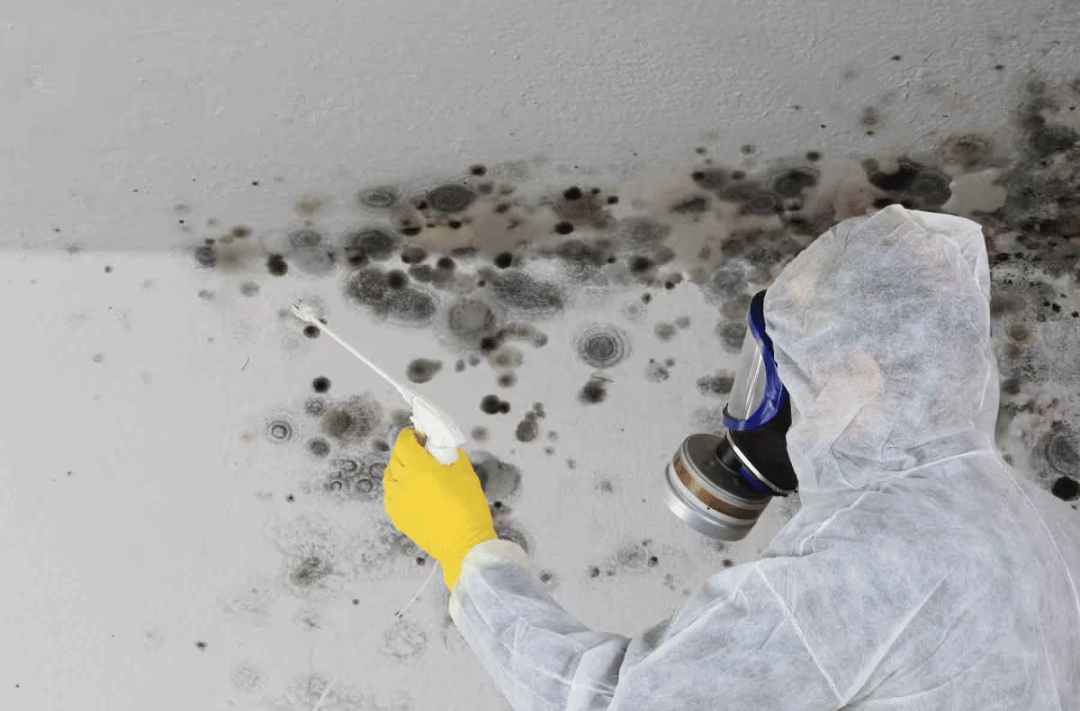


A dishwasher leak can look small from the doorway: a wet towel, a damp cabinet edge or a narrow puddle beside the appliance. The important question is whether the water stayed on an accessible surface or reached flooring, cabinet bases and the room below. Cleaning up what you can see does not settle that question.
Appliance leaks also involve more than one possible source. A supply connection, drain connection, internal appliance component or nearby plumbing may be responsible. This guide explains how to organize the response without guessing at the diagnosis, and how to connect the plumbing repair with a careful water damage assessment. It applies to dishwasher, washing machine and similar appliance incidents, with the specific repair left to the appropriate professional.
Recognize the signs that deserve an urgent call
Visible water spreading across a floor, a continuing spray or flow, or water reaching another room calls for prompt attention. So does a ceiling stain or drip beneath the appliance area. A leak discovered after an unattended cycle may have affected more than the spot where the puddle is visible.
Some signs are less dramatic. A cabinet base may swell, a flooring edge may lift or the same corner may remain damp after ordinary cleaning. These observations do not prove a specific cause, but they justify an inspection. Record when the sign appears and whether it follows appliance use, rather than repeatedly testing the appliance to reproduce the leak.
Keep people away from wet electrical equipment and slippery surfaces. If reaching a control would require contact with water or unsafe access behind an appliance, leave it to a qualified professional. The CDC's electrical safety guidance for water-damaged homes warns against operating electrical equipment while standing in water. The same caution matters in a laundry room or kitchen.
Stop use and explain the situation accurately
Do not start another appliance cycle to see whether the problem happens again. A repeated release can enlarge the affected area and make the original water path harder to distinguish. Tell the household or building occupants that the appliance is out of use until the source has been assessed.
If you know the relevant water shutoff and can operate it from a safe location, isolate the supply as appropriate. Do not force a seized valve or pull an appliance away from the wall while water is around its connections. A difficult shutoff is itself useful information for the plumber.
For an active plumbing failure, a 24/7 emergency plumber can investigate the supply or drain problem and advise when the connected fixture can safely return to service. Tell the dispatcher which appliance is involved, where the water is appearing, whether the supply has been isolated and whether electrical or ceiling hazards are present.
Distinguish the repair question from the damage question
The repair question is “Why did this leak happen, and what must be corrected?” The damage question is “Which materials were affected, and what will recover them?” A single appointment may identify both needs, but the tasks still require clear responsibility. Ask whether an appliance service technician, plumber, restoration contractor or more than one trade is needed.
For example, replacing a failed dishwasher part may restore the appliance while leaving wet material beneath a cabinet. Conversely, extracting water and drying a room does not make an unrepaired connection suitable for use. Keep both work orders connected by the same incident description and contact person.
Calgary Water Damage Restoration lists appliance leak cleanup, water extraction and structural drying among its services. When requesting an assessment, describe the appliance location and adjoining finishes so the team can plan access. Do not wait until visible surfaces change colour before raising the possibility of concealed water.
Build a room map rather than a collection of guesses
Sketch the room and mark the appliance, sink, adjoining cabinets, doorways and the first visible wet area. Include the room below if one exists. The drawing does not need to be precise; its purpose is to give everyone the same location names.
Take safe photographs before belongings are moved. A wide view establishes the appliance's position, while closer views capture a swollen cabinet edge or wet flooring joint. Photograph any water visible outside the appliance room as well. Label images with the discovery date and location so they remain useful when the room has been cleared.
Write down what is known about timing. “Discovered at 7 a.m.; dishwasher ran overnight” is an honest record. “Leaked for eight hours” is a conclusion you may not be able to support. Tell the restoration team whether the property was unattended, because the discovery time may differ from the start of the release.
Ask how the concealed areas will be assessed
Built-in appliances, cabinet toe kicks and finished flooring can make the water path difficult to inspect. Ask which areas can be checked without removal, which require access and how that decision will be made. The team should explain the reasoning before opening a finish or moving equipment.
A good assessment also considers adjoining spaces. Water may be visible at the appliance but affect the opposite side of a wall or the ceiling beneath it. Ask whether those areas were included, especially if a leak occurred on an upper floor. In a multi-unit building, notify the property manager so access to other affected spaces can be coordinated.
Do not lift flooring or cut into cabinets simply to help the inspection move faster. Unknown wiring, pipes and material conditions can complicate that work. The useful homeowner contribution is accurate information and safe access, while the contractor decides how to inspect the assembly.
Make material decisions one assembly at a time
Water damage does not create an automatic rule that every nearby cabinet must be replaced or every floor can be saved. The source, duration, material condition and access all influence the decision. Ask for the affected-area boundary and the reason for each proposed removal.
Cabinet construction varies. Some parts may be recoverable, while swollen or damaged components may require replacement. Flooring also needs assessment as an assembly, including layers that are not visible from above. A dry top surface cannot by itself establish the condition underneath.
When a material is removed, record what was taken out and why. Keep that information with the photographs and repair invoices. If an insurer is reviewing the loss, follow its requests for documentation and authorization. The contractor can explain observed damage, while the insurer determines what the policy covers.
Let the drying plan guide how the room is used
Ask the restoration team to explain equipment placement and the conditions it wants maintained. A kitchen or laundry room is a busy part of a home, so it is easy for someone to move a machine, close an opening or turn equipment off without understanding the plan.
Agree on a safe route and a temporary routine. You may need another place for food preparation or laundry while assessment and drying are underway. Keep pets away from hoses and restricted spaces, and tell every household member which appliance must remain out of service.
The Health Canada guidance on moisture and mould stresses resolving moisture problems and promptly addressing significant water events. For your incident, ask what readings will be monitored and what evidence will show that the affected assembly is ready for the next stage.
Use follow-up visits to answer specific questions
At each visit, ask whether the original affected locations are improving, whether another area has been identified and whether the plan has changed. Record the answer in the incident file. This is more useful than asking only whether the equipment can be removed today.
If a contractor recommends opening an additional area, ask how that recommendation relates to the readings or observations. If the plan changes from drying in place to removing a material, ask for the reason and the updated repair scope. You should understand the decision even if you do not perform the technical assessment yourself.
Tell the team about any new stain, damp area or odour. Do not hide a new observation because you hope the work is nearly finished. A small update supplied at the right time can prevent confusion at the final repair stage.
Confirm the appliance and room are ready separately
Before the appliance returns to use, obtain clear guidance from the professional responsible for its repair. Ask what was corrected, whether the supply and drain connections were checked and whether any maintenance or further service is required. Keep the service description rather than relying on a verbal “all good.”
Separately, ask the restoration team whether the affected materials have reached the agreed drying goals and whether any cleaning or replacement remains. An appliance being functional does not mean adjacent finishes are ready for reconstruction. Likewise, a room being dry does not establish that the appliance fault has been corrected.
When several trades are involved, identify who will reconnect the appliance after cabinet or flooring work. The final connection should be part of the planned scope. Avoid a situation where a finish contractor assumes the homeowner will handle it and the homeowner assumes the plumber already did.
Turn the incident into a practical prevention review
After recovery, use the repair findings to guide maintenance. Ask the plumber or appliance technician which accessible connections need periodic inspection, which parts have manufacturer service requirements and whether the shutoff location should be labelled. Follow the appliance manual and professional guidance for the actual equipment installed.
Review access as well. A shutoff buried behind stored boxes or a laundry room crowded with belongings can slow a safe response. Keep the route usable, and ensure the household knows where emergency contacts are stored. Leak alerts or automatic shutoff products may be worth discussing with a qualified installer, but a device still needs an appropriate installation and response plan.
Finally, revisit the affected area during normal use and report any returning dampness promptly. Keep the appliance repair details together with the water restoration record. That file gives future service providers context and helps you avoid treating a recurring sign as a completely unrelated problem.
An appliance leak becomes easier to manage when each question has an owner: source repair, damage assessment, drying, material replacement and return to use. Calgary Water Damage Restoration can discuss the cleanup and drying needs after the plumbing source is controlled, so the visible puddle is not the only part of the incident that receives attention.
Easy steps to create a color palette
Lorem ipsum dolor sit amet, consectetur adipiscing elit lobortis arcu enim urna adipiscing praesent velit viverra sit semper lorem eu cursus vel hendrerit elementum morbi curabitur etiam nibh justo, lorem aliquet donec sed sit mi dignissim at ante massa mattis.
- Neque sodales ut etiam sit amet nisl purus non tellus orci ac auctor
- Adipiscing elit ut aliquam purus sit amet viverra suspendisse potent
- Mauris commodo quis imperdiet massa tincidunt nunc pulvinar
- Excepteur sint occaecat cupidatat non proident sunt in culpa qui officia
What is a color palette?
Vitae congue eu consequat ac felis placerat vestibulum lectus mauris ultrices cursus sit amet dictum sit amet justo donec enim diam porttitor lacus luctus accumsan tortor posuere praesent tristique magna sit amet purus gravida quis blandit turpis.

Don’t overspend on growth marketing without good retention rates
At risus viverra adipiscing at in tellus integer feugiat nisl pretium fusce id velit ut tortor sagittis orci a scelerisque purus semper eget at lectus urna duis convallis porta nibh venenatis cras sed felis eget neque laoreet suspendisse interdum consectetur libero id faucibus nisl donec pretium vulputate sapien nec sagittis aliquam nunc lobortis mattis aliquam faucibus purus in.
- Neque sodales ut etiam sit amet nisl purus non tellus orci ac auctor
- Adipiscing elit ut aliquam purus sit amet viverra suspendisse potenti
- Mauris commodo quis imperdiet massa tincidunt nunc pulvinar
- Adipiscing elit ut aliquam purus sit amet viverra suspendisse potenti
What’s the ideal customer retention rate?
Nisi quis eleifend quam adipiscing vitae aliquet bibendum enim facilisis gravida neque euismod in pellentesque massa placerat volutpat lacus laoreet non curabitur gravida odio aenean sed adipiscing diam donec adipiscing tristique risus amet est placerat in egestas erat.
“Lorem ipsum dolor sit amet consectetur adipiscing elit, sed do eiusmod tempor incididunt ut labore et dolore magna aliqua enim ad minim veniam.”
Next steps to increase your customer retention
Eget lorem dolor sed viverra ipsum nunc aliquet bibendum felis donec et odio pellentesque diam volutpat commodo sed egestas aliquam sem fringilla ut morbi tincidunt augue interdum velit euismod eu tincidunt tortor aliquam nulla facilisi aenean sed adipiscing diam donec adipiscing ut lectus arcu bibendum at varius vel pharetra nibh venenatis cras sed felis eget.