

Understand What the Equipment Is Trying to Dry
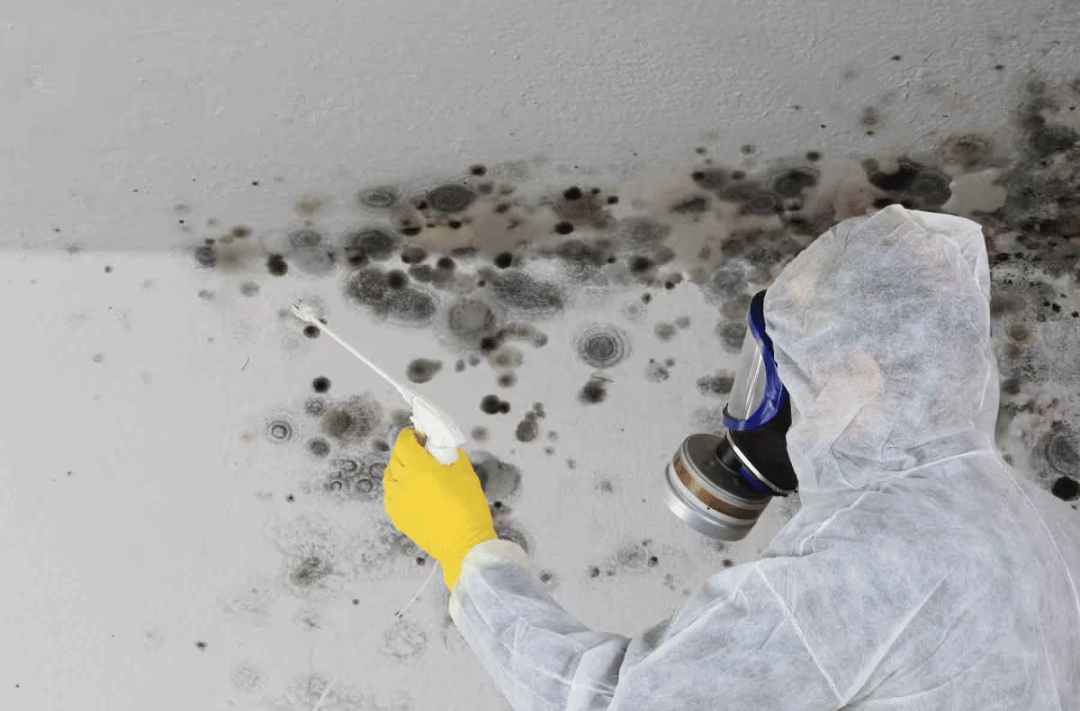
After a water leak, the visible puddle is only part of the moisture problem. Water can remain in drywall, framing, flooring and other layers after accessible liquid has been removed. Drying equipment helps move that moisture out of affected materials and manage it in the surrounding air. The equipment plan should reflect the construction and measured conditions rather than the size of the room alone.
Ask the restoration contractor which materials are being retained and which areas need treatment. A room may contain equipment because the floor assembly is affected even when the wall looks normal. Another room may need removal before effective drying can proceed. Knowing the target helps an owner understand why equipment placement changes as the work progresses.
Extraction Removes Accessible Liquid Water
Extraction equipment collects liquid water from accessible surfaces and certain materials. Removing that water reduces what must later evaporate. The method depends on the material and the water involved; a wet carpet assembly, a hard floor and a confined void do not present identical conditions. Extraction is an early step in many projects, with inspection determining what should happen next.
An extracted floor can still retain moisture underneath. Padding, adhesive, underlayment or a subfloor may be affected even if walking across the top no longer produces a wet footprint. Ask whether these layers were assessed and whether access is needed. The absence of standing water establishes only that visible liquid has been removed from the accessible area.
Air Movers Support Evaporation at Surfaces
Air movers direct airflow across suitable wet materials to support evaporation. Placement depends on the drying plan and site conditions. A machine aimed at a wall is not simply there to make the room feel breezy. The contractor may adjust its position as materials dry or as access to another affected layer becomes available.
Air movement needs to be appropriate to contamination and mould concerns. Blowing air indiscriminately through an affected building can spread material that should be controlled. Leave equipment settings and placement to the responsible team. If airflow causes a problem for occupants or access, report it and ask for an adjustment rather than moving machines into a convenient corner where their purpose may be lost.
Dehumidifiers Manage Moisture in the Air
Evaporation transfers water from materials into the air. Dehumidifiers remove moisture from that air as part of the drying process. Their operation needs to suit the building conditions and the amount of moisture being released. A dehumidifier does not establish that every concealed material has dried simply because its tank or drain line is collecting water.
Edmonton Water Damage Restoration’s overview of water damage restoration provides another resource for understanding where drying fits within recovery. For a particular job, ask how air conditions and material readings are being monitored together. The important result is progress in the affected assembly, with any stalled or inaccessible area identified for further assessment.
Containment and Air Cleaning Have Different Jobs
Some projects include barriers or air-cleaning equipment alongside drying machines. These measures can manage separation or airborne particles under the site plan. They do not replace removal of damaged material or correction of the water source. Ask what each device is intended to do, especially when a room contains several machines that look similar but serve different purposes.
Keep barriers, hoses and electrical arrangements as instructed. If a child, pet or occupant needs access, discuss a safe route with the contractor. Do not unplug equipment to create a walkway or open a contained area without checking. A drying plan also needs to be workable for the people using the building, so raise access, noise and scheduling concerns promptly.
Measurements Determine Whether the Plan Is Working
Moisture checks help the contractor assess progress and decide whether the approach needs changing. Readings need context: the material, measurement location, instrument and comparison conditions all matter. A number from a wood member cannot be treated as an identical target for concrete or gypsum board. Ask for the completion findings in terms of the actual materials retained.
A fixed number of machine days cannot guarantee completion. Material thickness, layered construction, access and surrounding conditions can affect progress. If readings are not improving as expected, the plan may require further investigation or different access. Prompt response remains important; the EPA recommends drying wet areas quickly to reduce mould risk, while recognizing that affected materials may require cleaning or removal.
Report Changes Without Adjusting the Setup
Tell the responsible team if a machine stops, a drain line appears displaced or a new wet area develops. Give the location and what you observed without trying to repair the equipment. If a burning smell, damaged cord or other immediate hazard appears, keep clear and follow the site’s emergency arrangements. Ordinary operating noise and a new fault can be difficult to distinguish, so ask who receives equipment concerns and how that contact is reached. Also report any change in building use that could affect the plan, such as another crew closing a door or removing trim. Clear observations allow the contractor to assess the setup using current conditions rather than assuming it stayed exactly as arranged.
Practical Questions While Machines Are Running
Can I switch the equipment off at night?
Ask the contractor before changing the operating arrangement. Noise or occupancy concerns should be discussed so the team can explain the effect and agree on a workable response. Record any planned interruption rather than leaving the team to interpret unexpected readings.
Should windows stay open?
Follow the site-specific drying instructions. Outdoor conditions can change the indoor environment, and ventilation is not automatically helpful in every weather condition. The team should explain which doors or windows need to remain in a particular position.
When can rebuilding start?
Ask for the assessment and drying handover, including remaining limitations. The next installer may also need checks required by the selected finish product. Removing machines, paying an invoice or seeing a clean surface does not independently establish that a retained assembly is ready to be enclosed.
Easy steps to create a color palette
Lorem ipsum dolor sit amet, consectetur adipiscing elit lobortis arcu enim urna adipiscing praesent velit viverra sit semper lorem eu cursus vel hendrerit elementum morbi curabitur etiam nibh justo, lorem aliquet donec sed sit mi dignissim at ante massa mattis.
- Neque sodales ut etiam sit amet nisl purus non tellus orci ac auctor
- Adipiscing elit ut aliquam purus sit amet viverra suspendisse potent
- Mauris commodo quis imperdiet massa tincidunt nunc pulvinar
- Excepteur sint occaecat cupidatat non proident sunt in culpa qui officia
What is a color palette?
Vitae congue eu consequat ac felis placerat vestibulum lectus mauris ultrices cursus sit amet dictum sit amet justo donec enim diam porttitor lacus luctus accumsan tortor posuere praesent tristique magna sit amet purus gravida quis blandit turpis.

Don’t overspend on growth marketing without good retention rates
At risus viverra adipiscing at in tellus integer feugiat nisl pretium fusce id velit ut tortor sagittis orci a scelerisque purus semper eget at lectus urna duis convallis porta nibh venenatis cras sed felis eget neque laoreet suspendisse interdum consectetur libero id faucibus nisl donec pretium vulputate sapien nec sagittis aliquam nunc lobortis mattis aliquam faucibus purus in.
- Neque sodales ut etiam sit amet nisl purus non tellus orci ac auctor
- Adipiscing elit ut aliquam purus sit amet viverra suspendisse potenti
- Mauris commodo quis imperdiet massa tincidunt nunc pulvinar
- Adipiscing elit ut aliquam purus sit amet viverra suspendisse potenti
What’s the ideal customer retention rate?
Nisi quis eleifend quam adipiscing vitae aliquet bibendum enim facilisis gravida neque euismod in pellentesque massa placerat volutpat lacus laoreet non curabitur gravida odio aenean sed adipiscing diam donec adipiscing tristique risus amet est placerat in egestas erat.
“Lorem ipsum dolor sit amet consectetur adipiscing elit, sed do eiusmod tempor incididunt ut labore et dolore magna aliqua enim ad minim veniam.”
Next steps to increase your customer retention
Eget lorem dolor sed viverra ipsum nunc aliquet bibendum felis donec et odio pellentesque diam volutpat commodo sed egestas aliquam sem fringilla ut morbi tincidunt augue interdum velit euismod eu tincidunt tortor aliquam nulla facilisi aenean sed adipiscing diam donec adipiscing ut lectus arcu bibendum at varius vel pharetra nibh venenatis cras sed felis eget.